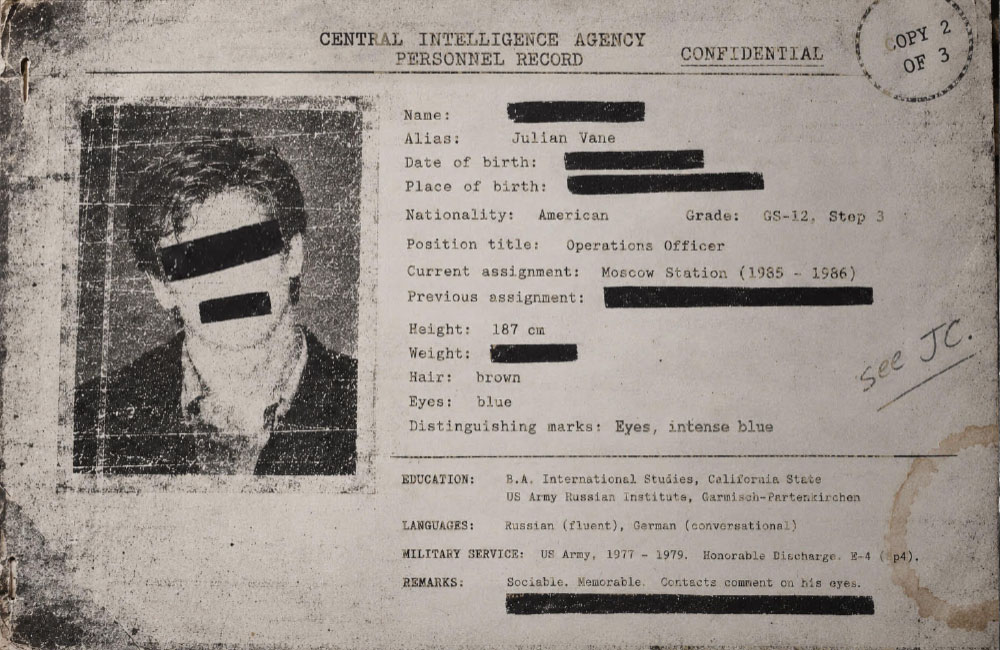
Jack grew up in a part of rural Wyoming where the nearest neighbors were eight or ten miles off and school was an hour’s drive each way. Carbon County’s income figures from those years actually look respectable on paper — boosted by the coal, oil, and uranium money pouring into the state through the 1970s — but that money never reached families running cattle outside the boom towns. A hired ranch hand in Wyoming in these years could expect $500 to $550 a month, room and board included, against $9 to $14 an hour on a rig or in a mine a county over. Jack’s family didn’t even have a hired hand’s wage; they had a ranch too small to carry one, and a son old enough to work it for nothing instead.
The army was the only door he could see, and it opened onto more than he expected. An overseas posting, driving for men who’d been places he’d only seen in movies once or twice; a recruiter who pointed him toward the GI Bill once his service was done — the same promise that had sent a generation of veterans back to school before him. Jack used his to get to California, the place he’d dreamed of since childhood where he’d have a ranch of his own.
By the time he was recruited inro the Company, Jack had already rebuilt himself twice: from a kid nobody expected anything of, into a soldier, into a university graduate with two languages and a taste for rooms he hadn’t been born into. A third reinvention, as someone with a flashy cover in Moscow, must have felt almost natural.
Images on this page have been created with the help of AI.