The Historical Calendar Behind
“Of Our Own Device”
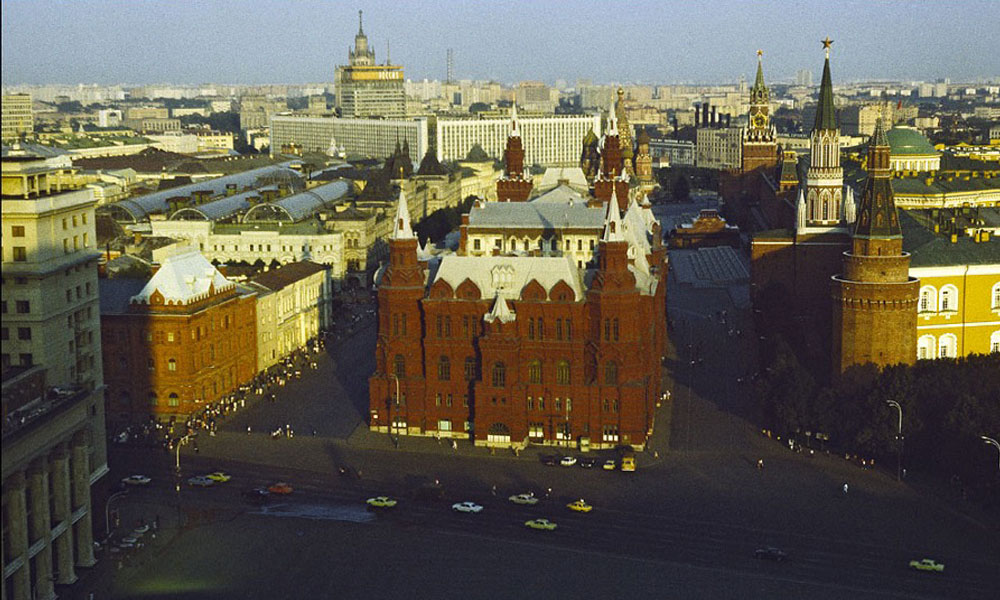
Of Our Own Device is fiction, but it moves through a Soviet Union and its relationship with the United States that actually existed. The defections, the rock concerts, the arrests that shape Jack and Eton’s world in these pages are built on things that really happened, headlines the world lived through once and has mostly since forgotten. This section is a reconstructed research archive covering the period from July 1985 to November 1989. It is rebuilt from the books, memoirs, and contemporary reporting I relied on while writing and revising (the Los Angeles Times archive especially), since I wanted to follow events the way people read them at the time, not only through later histories. Click through any subject below to go deeper into the real history behind the novel.
Book II, set in the 1990s, is still being written; its own history companion will follow.
Major Events, Trends & Culture
Moscow Station & the Year of the Spy
-
Moscow Station & The Year of the Spy
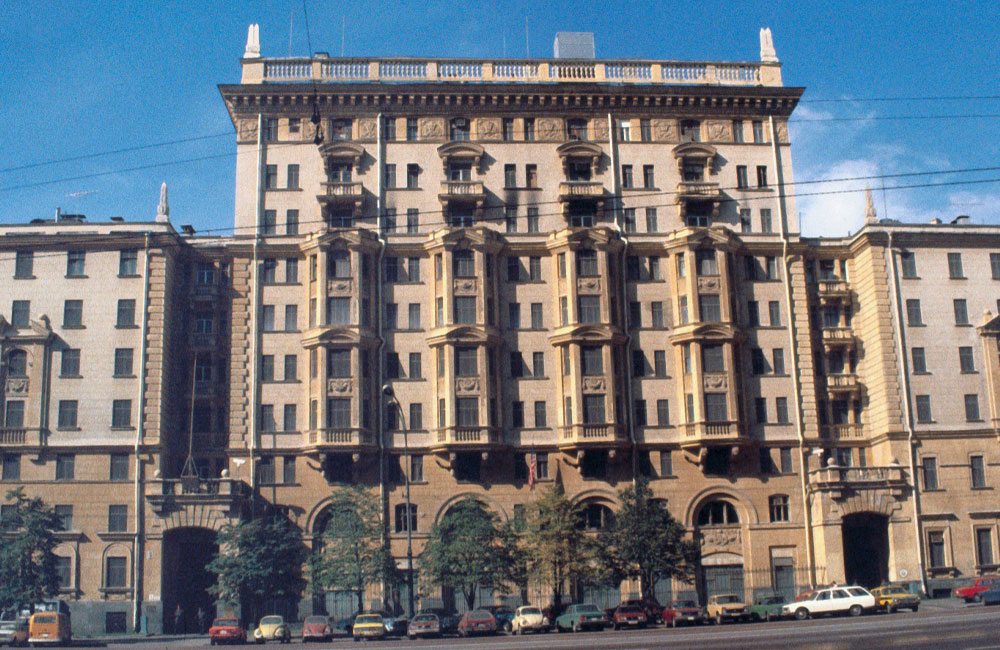
By the beginning of July 1985, when the novel opens, Adolf Tolkachev, a Soviet engineer who’d spent years passing radar secrets to the CIA, had just been arrested in Moscow; his case officer was ambushed and expelled days later. These events came weeks after Washington had arrested a retired Navy officer named John Walker and […]
-
12th World Festival of Youth and Students in Moscow
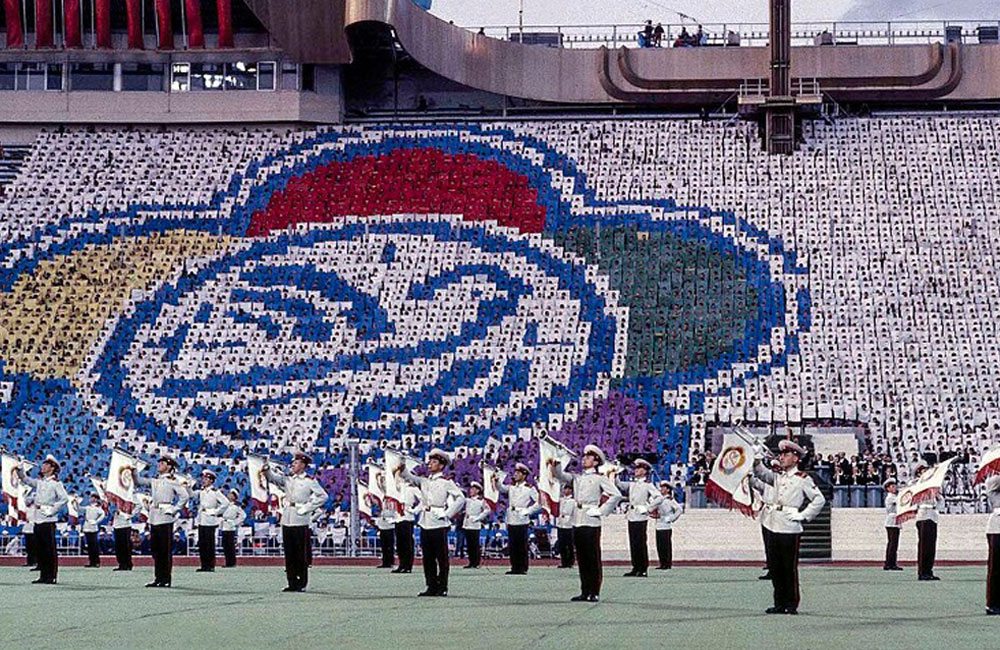
In the last week of July 1985, Moscow turned itself inside out for the 12th World Festival of Youth and Students, a Soviet-hosted event that, that year, drew roughly 26,000 delegates from 157 countries, the largest in the history of this festival. The opening ceremony at Lenin Stadium ran four hours: a sea of national […]
The Nuclear Winter Theory
-
The Nuclear Winter Theory
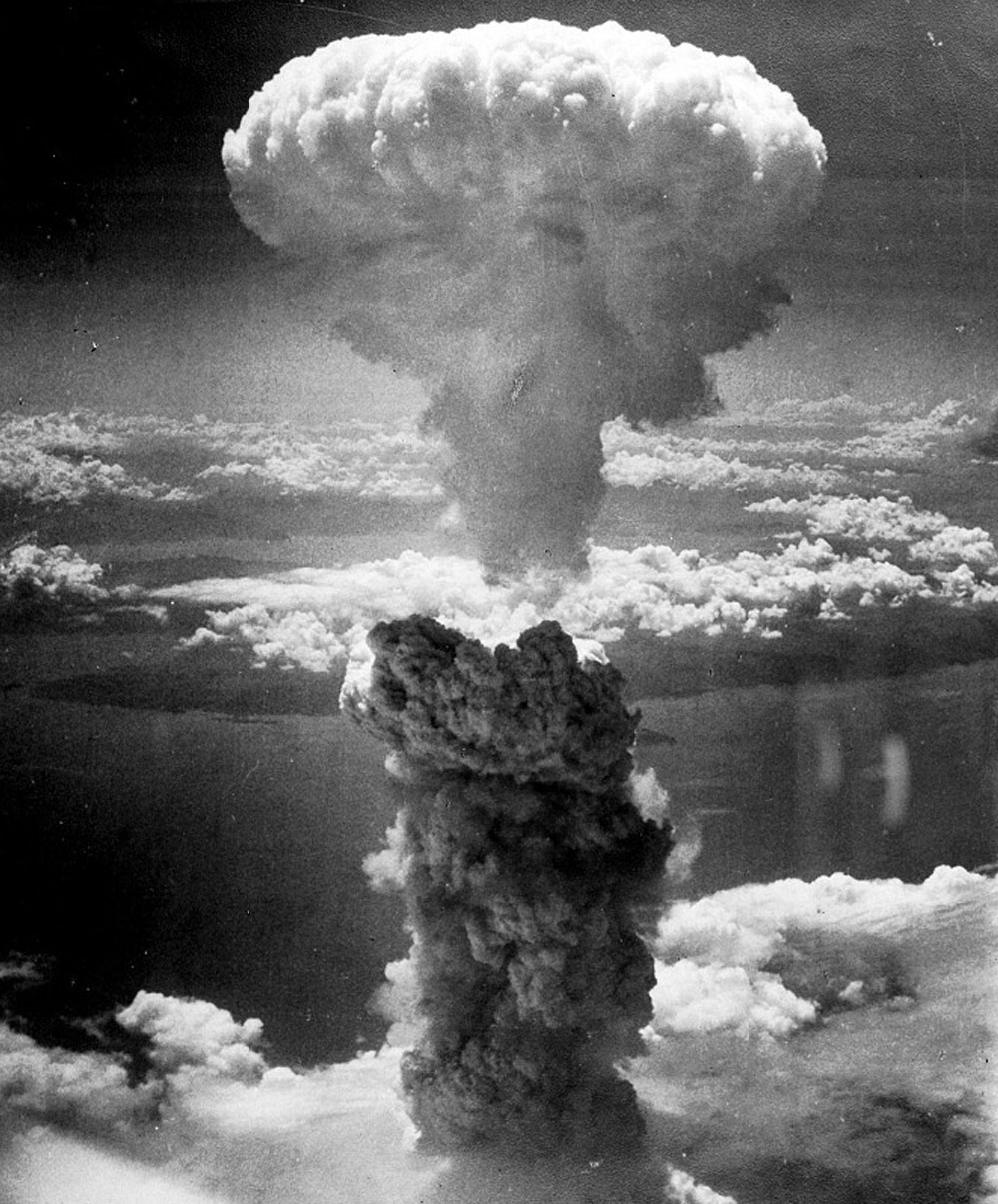
In the summer of 1985, what a nuclear war would actually do to the planet was still a live scientific argument. A small group of American scientists, the researchers behind the Nuclear Winter hypothesis, published in 1983, argued that a large-scale exchange would throw enough smoke and soot into the stratosphere to block out the […]
AIDS, the Closet and Coming Out
-
AIDS, the Closet and Coming Out
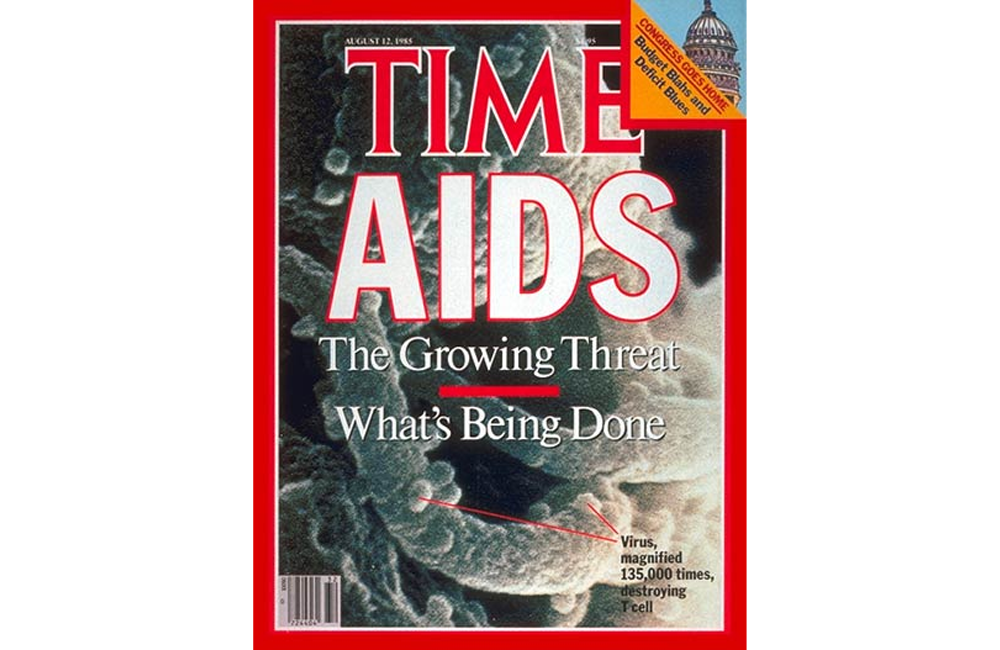
By the summer of 1985, AIDS had been spreading in the United States for several years, but most of the country still treated it as someone else’s problem—a disease confined to gay men, drug users, a handful of cities. That changed fast. In August, TIME ran a cover story, “AIDS: The Growing Threat,” reporting that […]
Chernobyl
-
Chernobyl
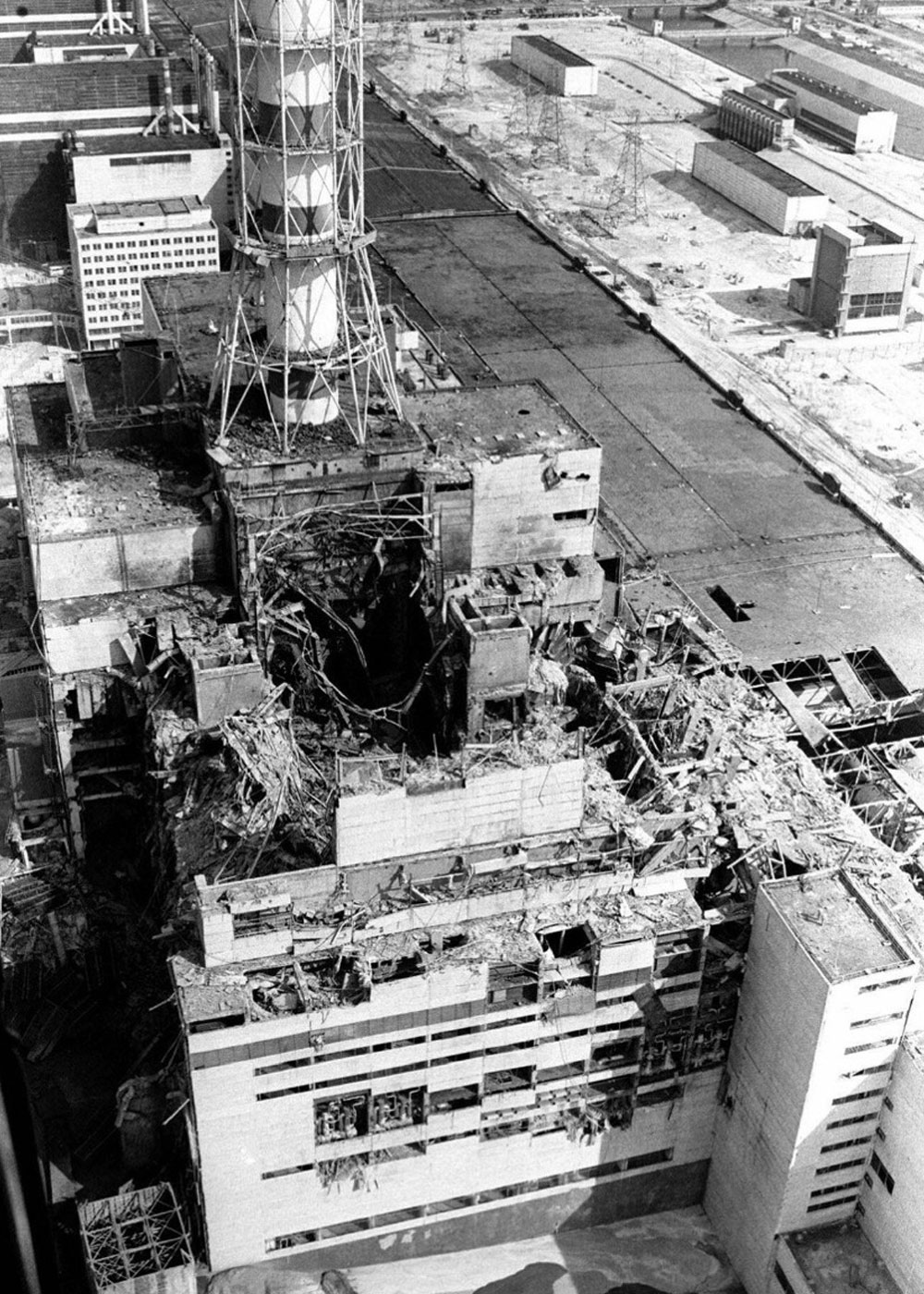
In the early hours of April 26, 1986, reactor No. 4 at the Chernobyl nuclear power station exploded. The Soviet government said nothing publicly for two days. When the admission finally came, on the evening news on April 28, it ran to a handful of words — an accident, a damaged reactor, “measures undertaken.” International […]
Soviet Underground Rock & Youth Culture
-
Soviet Underground Rock & Youth Culture
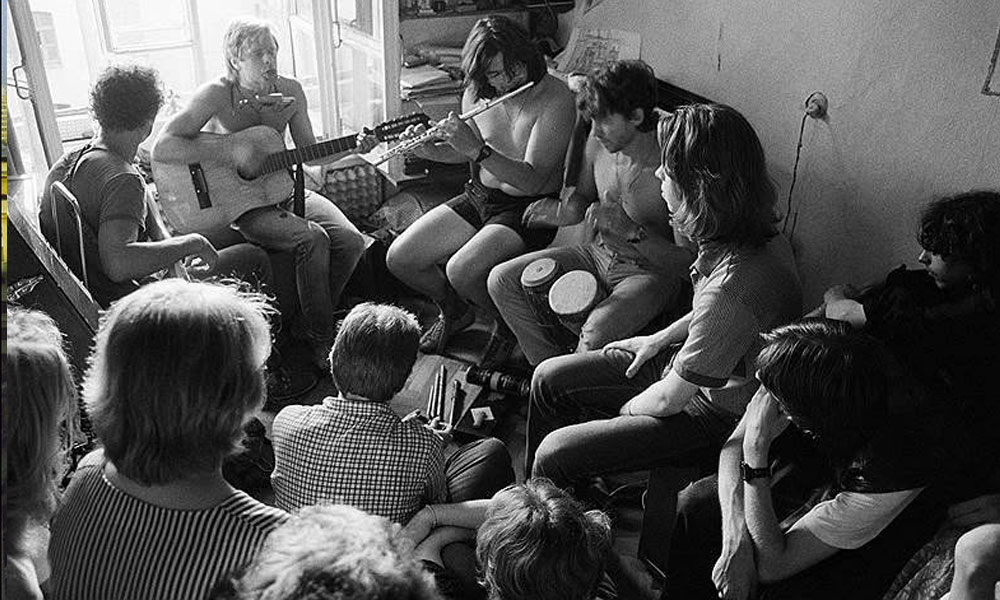
Rock music existed in the Soviet Union throughout the 1980s, almost entirely outside official channels. Bands recorded on cheap reel-to-reel and cassette equipment and passed copies hand to hand, a distribution network nicknamed magnitizdat, the musical cousin of samizdat’s underground literature. Performing publicly carried real risk; a band’s survival depended on staying just inside or […]
The Last Years of the Afghan War
-
The Last Years of the Afghan War
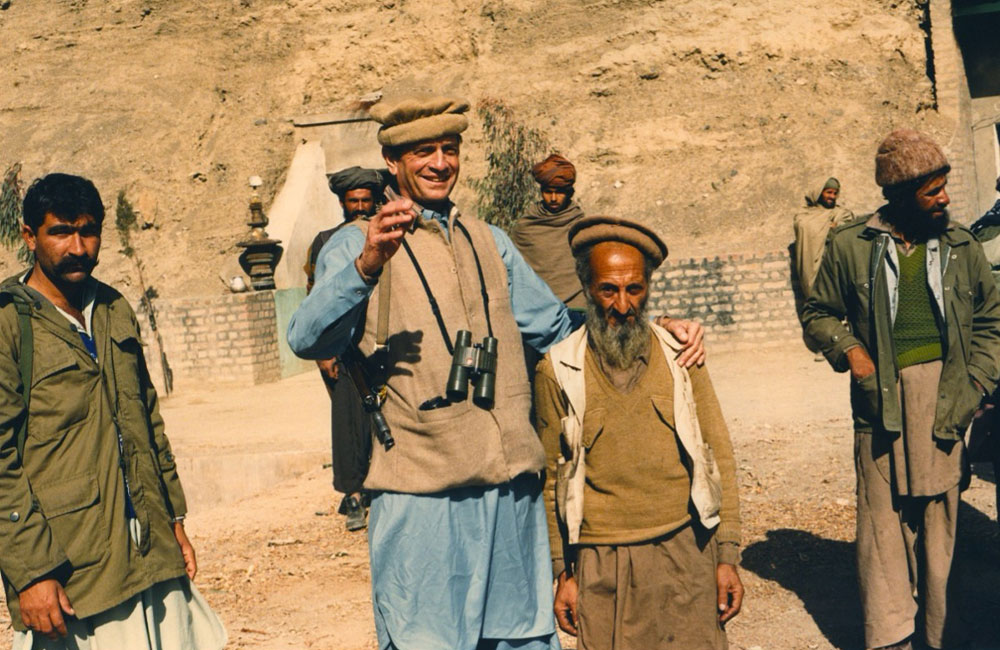
By the time Jack crosses into the war zone in 1987, Afghanistan has swallowed Soviet troops for seven years, and Washington’s covert answer has grown into one of the CIA’s largest-ever arms programs, funneled through Pakistan’s intelligence service to mujahedin fighters, and championed in Congress by men like Texas Representative Charlie Wilson. By then the […]
1989: The Collapse of the Soviet Bloc and the Fall of the Berlin Wall
-
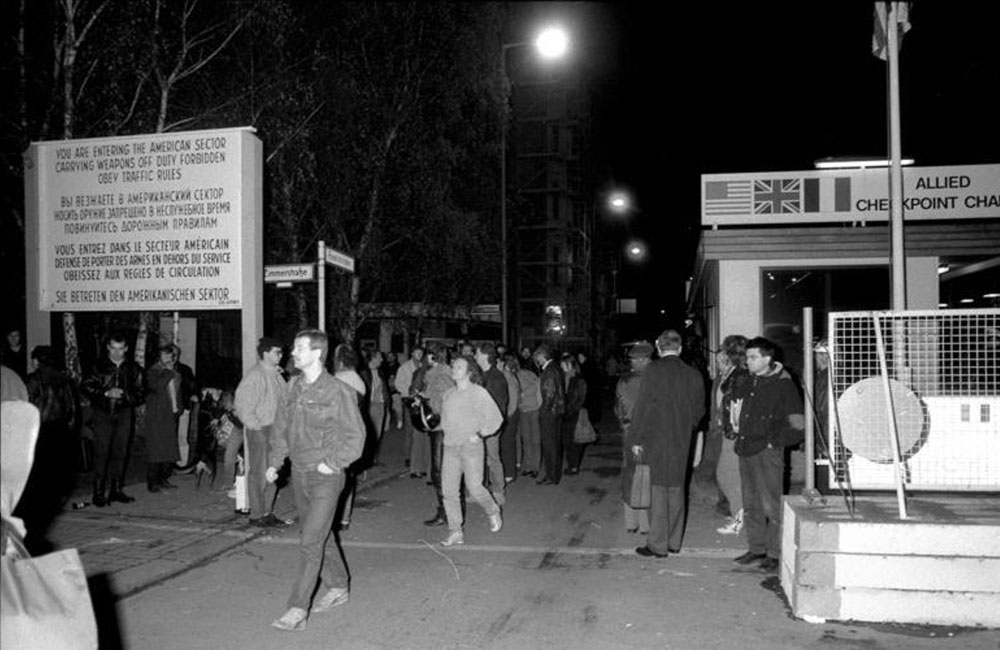
1989: The Collapse of the Soviet Bloc and the Fall of the Berlin Wall
By the summer of 1989, the Eastern Bloc was cracking open. Hungary had begun dismantling its border fence with Austria that May; by August, East Germans crossing into Hungary on tourist visas found a door swinging ajar—hundreds broke for the Austrian border in a single afternoon during what organizers called the Pan-European Picnic. In Poland […]
-
Sources & Further Reading
Below are the memoirs, books and archives that informed the research for the novel — along with the Los Angeles Times’ 1985–1989 coverage, which I used to follow these events the way readers did at the time.