By the summer of 1989, the Eastern Bloc was cracking open. Hungary had begun dismantling its border fence with Austria that May; by August, East Germans crossing into Hungary on tourist visas found a door swinging ajar—hundreds broke for the Austrian border in a single afternoon during what organizers called the Pan-European Picnic. In Poland that same month, the Solidarity movement that had spent most of a decade underground or banned became the government: Tadeusz Mazowiecki was sworn in as prime minister, the first non-communist head of government anywhere in the Eastern Bloc.
East Germany held out loudest. Jack, posted to East Berlin that year under AP cover, watched it come apart week by week: Leipzig’s Monday demonstrations swelling into the tens of thousands, a new opposition movement calling itself New Forum, Erich Honecker forced out on October 18 after eighteen years running the country. His successor, Egon Krenz, promised cautious reform and gave no sign the Wall itself was in question.
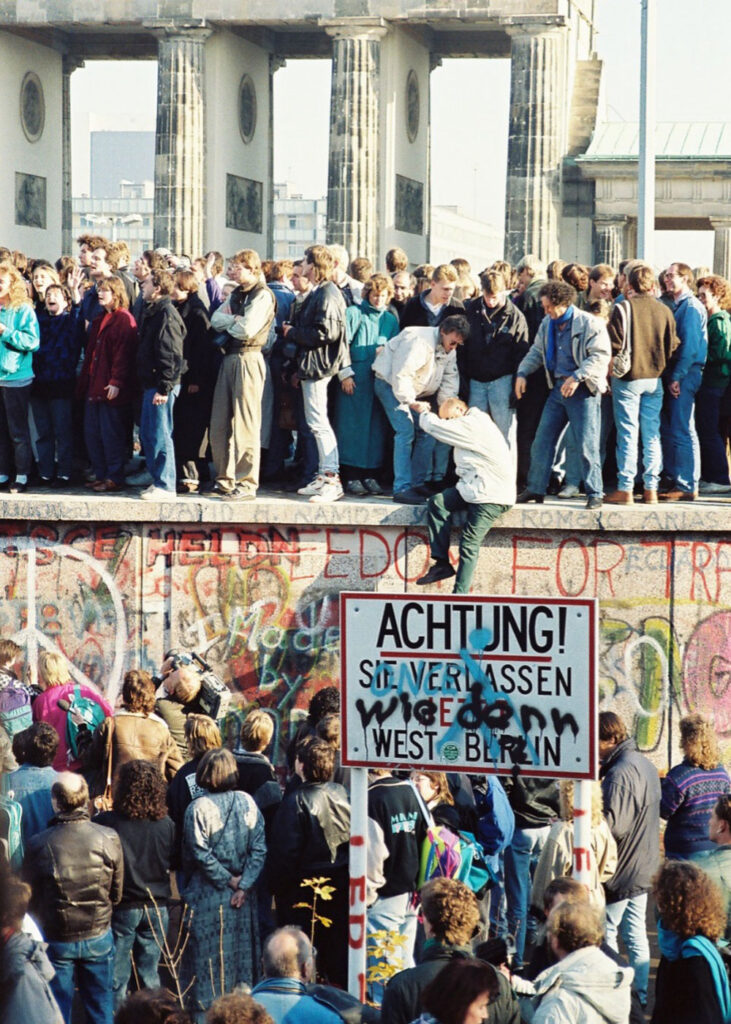
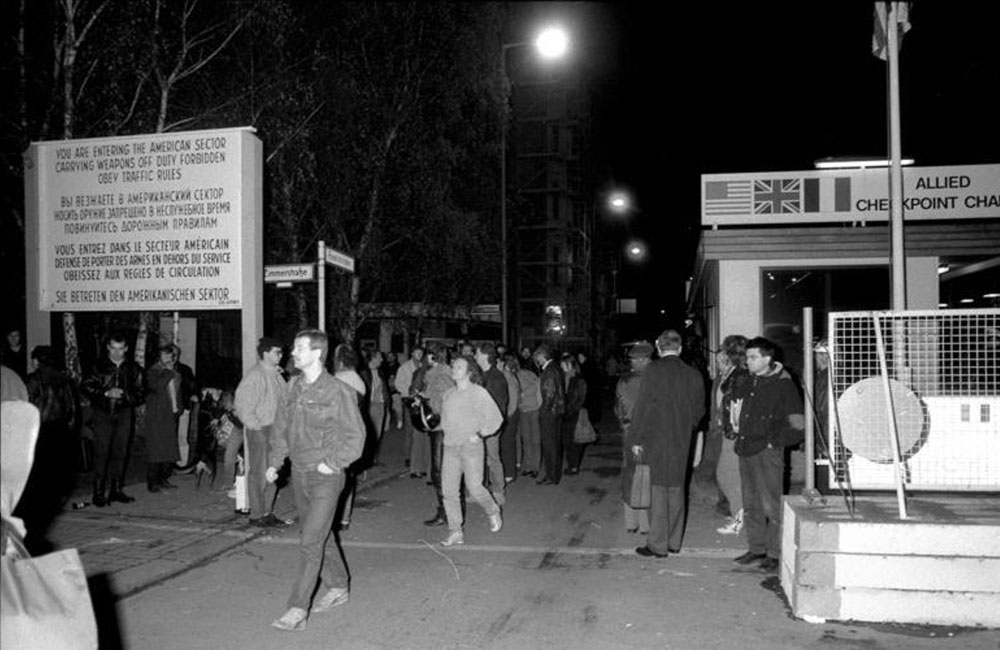
On the evening of November 9, Politburo spokesman Günter Schabowski announced loosened travel rules for East German citizens at a televised press conference. Asked when they would take effect, he hesitated over his notes, then said: immediately. Within hours, tens of thousands of East Berliners were pressing against the checkpoints. The border guards, with no orders and no precedent, waved them through. By midnight, the Wall that had divided the city for twenty-eight years no longer meant anything.