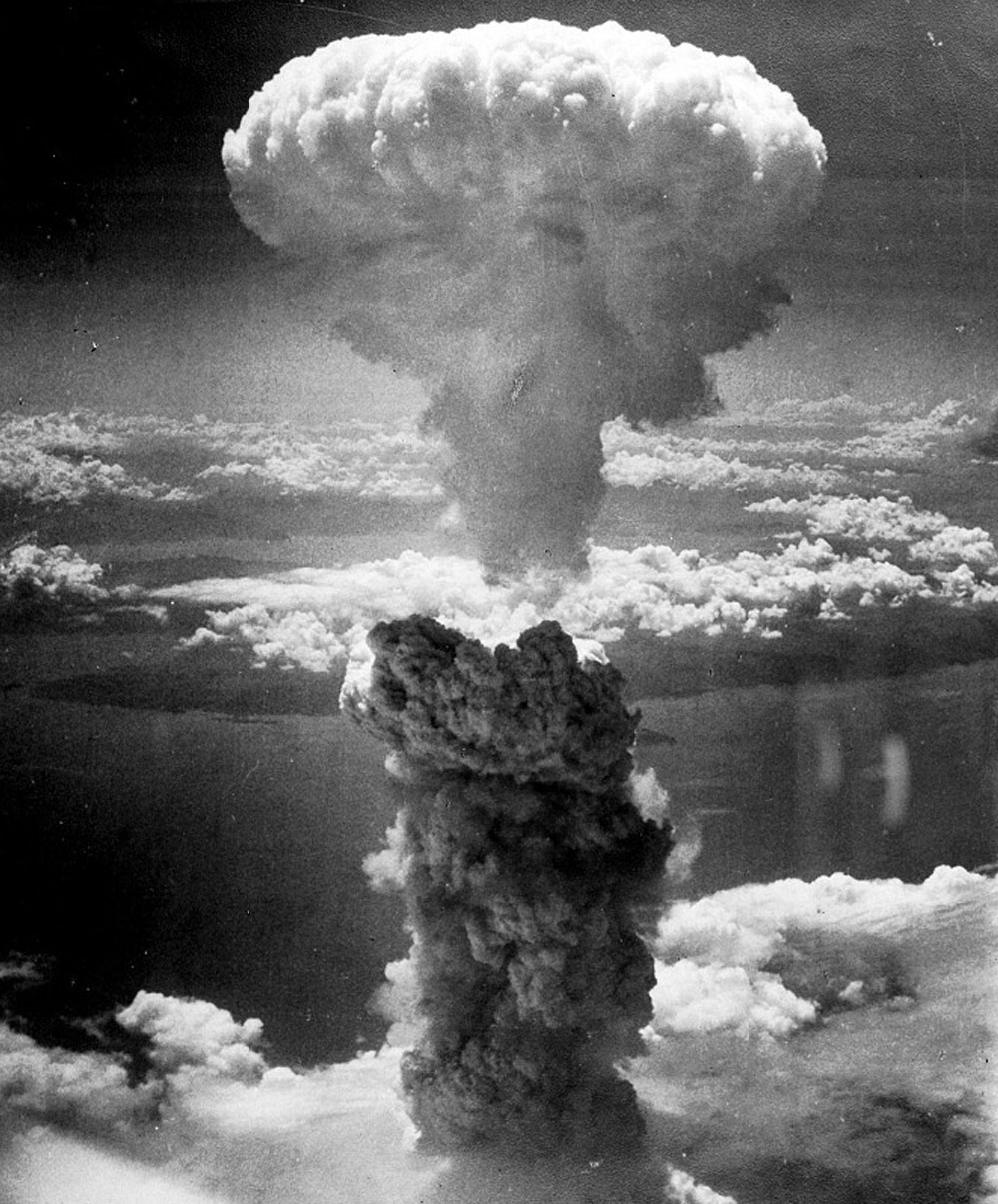
In the summer of 1985, what a nuclear war would actually do to the planet was still a live scientific argument. A small group of American scientists, the researchers behind the Nuclear Winter hypothesis, published in 1983, argued that a large-scale exchange would throw enough smoke and soot into the stratosphere to block out the sun, dropping temperatures worldwide for months or years and threatening a famine no side would survive, winner or not. Soviet physicists ran their own models and largely agreed, though the two camps argued hard over the numbers—how many warheads it would take, and whether the effect could be contained to one hemisphere.
That argument sits at the center of the novel’s academic exchange. One of Jack’s projects, under his overt job as a junior cultural affairs officer with USIA, is coordinating a joint Berkeley–MGU research program built around the theory. His covert assignment is narrower and harder: the CIA has intelligence suggesting the original Soviet nuclear winter study, led by Professor Volkonsky, was never pure science but a KGB active measure. And Jack is tasked with getting his hands on a copy of that original paper.
The science wasn’t confined to lecture halls that summer. Moscow was hosting thousands of young visitors from around the world for the 12th World Festival of Youth and Students, when Gorbachev announced a unilateral moratorium on nuclear testing—timed to take effect on the anniversary of Hiroshima bombing.